


Last Updated: November 4, 2026
Quick Summary
Build a streetwear wardrobe by first defining the look you want, then buying a versatile core of tees, a hoodie, trousers and trainers that pair with each other. Start with about 20 coordinating pieces, buy in stages, and let fit and layering guide each purchase.
- Write down three words describing your ideal look and use them to filter every purchase.
- Build a 20-piece capsule: five plain tees, three graphic tees, two hoodies, two trouser pairs and two trainers.
- Pick one zone to run loose, keeping the rest closer to your body for intentional proportions.
- Buy foundation pieces first, then layering pieces, then graphic and statement items last.
- Check shoulder seam, hem and sleeve length against your body before buying any oversized piece.
Table of Contents
- Defining Your Streetwear Style Before You Buy
- The Core Pieces Every Streetwear Basics Wardrobe Needs
- A 20-Piece Capsule Plan for Beginners
- Fit, Proportions and Body Types
- Dressing for the Seasons and Climate
- Building Your Wardrobe on a Budget
- Streetwear Outfit Ideas That Use Your Essentials
- Caring for Your Pieces So They Last
- Frequently Asked Questions
Defining Your Streetwear Style Before You Buy
Building a streetwear wardrobe from scratch starts with knowing what you actually want to wear.
A streetwear wardrobe is a collection of everyday pieces, such as tees, hoodies, trousers and footwear, that work together in relaxed, urban outfits.
Start by asking how you want to feel when you get dressed. Comfort-first lounge pieces suit one person, while another wants bold graphics that spark conversation.
Finding your personal style within streetwear
Look at what you already wear most often and what sits unused in your closet. Those patterns reveal more than any trend report. A common mistake is buying a full look from a single drop because it photographs well, then discovering none of it works with your existing clothes.
Pick a base palette of two or three neutrals, plus one accent color you reach for repeatedly. This keeps your streetwear wardrobe cohesive and makes mixing pieces effortless.
A brief look at streetwear history and subcultures
Streetwear grew out of skate, surf and hip-hop communities in the 1970s and 1980s, where clothing signaled belonging before it signaled status. Understanding those roots helps you choose pieces with genuine character rather than generic logos. Knowing the lineage also explains why graphic tees, hoodies and oversized fits became the foundation of the look.
The Core Pieces Every Streetwear Basics Wardrobe Needs
A solid base of streetwear basics covers tops, outerwear and bottoms. You don't need everything at once, but these categories cover most everyday outfits.
Plain and graphic tees
Start with three plain tees in neutral colors, then add two or three graphic pieces for personality. To buy comfortable graphic tees online and compare fabrics and prices, see our guide to soft graphic tee picks. Our Tie-Dye Tee at $30.00 is made from 100% US grown cotton with a 7.5 oz/yd² fabric weight and an oversized fit, and works as a standalone statement piece.

Oversized fits are the streetwear default, but they need balance. For practical styling guidance on making a loose fit look intentional, see how to style oversized tees for comfort. Pair a loose tee with slimmer bottoms to keep proportions sharp.
Hoodies, sweatshirts and overshirts
One heavyweight hoodie and one lighter layer cover most seasons. You can shop this oversized hoodie to add one to your basics now. Our Purple Pack Royale oversized hoodie at $69.99 is made from 80% cotton and 20% recycled polyester fleece, with a relaxed unisex fit and a front kangaroo pocket. The brushed interior may release minor lint during early wear.

Trousers: cargos, denim and sweatpants
Cargos and straight-leg denim are the workhorses of most streetwear wardrobes. Sweatpants fill the comfort role. Choose one pair of each in a neutral wash or color so every top you own has a partner.
A 20-Piece Capsule Plan for Beginners
A capsule wardrobe keeps spending focused. Here is a practical 20-piece plan:
- 5 plain tees in neutral colors
- 3 graphic tees
- 2 hoodies or sweatshirts
- 1 lightweight jacket or windbreaker
- 2 pairs of cargo or straight-leg trousers
- 1 pair of sweatpants
- 2 pairs of denim
- 2 pairs of versatile trainers
- 1 beanie
- 1 everyday overshirt
Every piece should coordinate with at least five others. If a new item doesn't, skip it.
Fit, Proportions and Body Types
Streetwear is built around relaxed and oversized silhouettes, but "oversized" is a fit decision, not a size decision. The goal is deliberate volume in one area balanced by structure in another.
The balance rule
Pick one zone to run loose and keep the others closer to your body. A loose top with structured or tapered bottoms reads intentional; loose on both top and bottom reads like you sized up by accident. The same logic applies to length: a longer hem needs a shorter or more fitted counterpart to avoid swallowing your frame.
Fit guidance by build
- Taller and broader frames can carry genuine oversized cuts, dropped shoulders, longer hems, and wide-leg trousers, because there is more vertical and horizontal space to fill. The risk is looking boxy, so add one tapered element, such as a slimmer ankle or a cropped jacket.
- Shorter frames often do better with cropped or slightly shorter hems and higher-rise bottoms, which lengthen the leg line. A fully oversized hoodie can work if the trousers are tapered and the shoe is low-profile rather than chunky.
- Broader shoulders or chest benefit from raglan sleeves and dropped-shoulder seams, which soften the shoulder line instead of pulling across it. Avoid stiff, structured shoulders that fight your frame.
- Narrower frames can use layering to add visual width, an overshirt over a tee, or a boxy hoodie, while keeping the bottom half clean so the volume reads as a choice.
- Mid-size and larger builds often find that a slightly longer tee hem and a straight-leg (not skinny, not extremely wide) trouser create the cleanest line. Fabric with some weight drapes better than thin, clingy jersey.
Measure instead of guessing
Letter sizes vary wildly between brands, so check the size guide for three numbers: chest width (pit to pit), body length, and sleeve length. Compare those to a piece you already own and like. For trousers, inseam and rise matter more than waist label. If a brand publishes only letter sizes, size up for an oversized look and plan to tailor the hem.
Proportion checks before you buy
Try the piece on with the bottoms and shoes you would actually wear it with.
Watch out: buying a size up to get an oversized look often lengthens the body and sleeves without widening the chest, which produces a sloppy fit rather than a relaxed one, look for brands that cut oversized patterns on purpose.
Here is a quick reference for the fit checks the article recommends before buying.
| Check | What to look for | Why it matters |
|---|---|---|
| Shoulder seam | Near your natural shoulder line | Sets the overall fit |
| Hem | Hits where you want relative to waist and hips | Controls proportion |
| Sleeve | Ends at or just past your wrist bone | Avoids a sloppy look |
| Trouser inseam and rise | Matters more than waist label | Shapes the leg line |
| Balance rule | Loose on one zone, closer to body elsewhere | Keeps volume intentional |
Dressing for the Seasons and Climate
A streetwear wardrobe needs seasonal layering. Lightweight tees and windbreakers carry warmer months, while heavier hoodies and beanies handle cooler weather. Layering is the key: a tee under a hoodie under an overshirt gives you flexibility as temperatures shift through the day.
Plan one heavy layer and one light layer per season, then rotate basics accordingly. For a hoodie suited to cooler weather, see this unisex hoodie.
Building Your Wardrobe on a Budget
Most guides tell you to "buy basics first" and stop there. A staged purchasing plan is more useful, because it turns a vague intention into a sequence you can actually follow over a few months. The approach below front-loads the pieces that unlock the most outfits, then layers in personality once the foundation is set.
Stage 1: The foundation (weeks 1-4)
Buy the pieces you will wear at least twice a week before anything else. That usually means two or three plain tees, one pair of straight-leg trousers or denim, and one pair of versatile trainers.
A common pattern is to spend the largest share of a starter budget on footwear and bottoms, since they take the most abrasion and anchor every outfit. Tops can be replaced more often and cost less to experiment with.
Stage 2: The layering layer (weeks 5-8)
Add one hoodie or sweatshirt and one lightweight outer layer. This is where the wardrobe starts to work across seasons. Wait for a sale or a secondhand find here if your budget is tight, because layering pieces are less fit-sensitive than trousers and easier to buy well at a discount.
Stage 3: Personality and statement (weeks 9-12)
Only now add graphic tees, accent colors, and one statement piece. Buying these last prevents the common mistake of building an outfit around a loud item that matches nothing you own.
A simple spending-tier framework
Rather than quoting fixed dollar amounts that go stale, think in proportions of your total starter budget:
- Roughly 35-40% on footwear and bottoms, the structural pieces that get the most wear.
- Roughly 30-35% on tops, tees and hoodies, where you need volume more than rarity.
- Roughly 15-20% on outerwear, one good layer beats three weak ones.
- Roughly 10% held back, for a statement piece or a replacement when something wears out.
Where to save and where to spend
Save on trend-driven graphics and accent pieces, which date quickly. Spend on construction details you can verify: fabric weight, stitch density at stress points, and whether graphics are screen-printed rather than heat-transferred.
Watch out: a deep discount on a piece that coordinates with nothing you own is not a saving, it is a cost you will pay again when you replace it.
Streetwear Outfit Ideas That Use Your Essentials
Pair a plain oversized tee with cargo trousers and clean trainers for an easy everyday look. Add an overshirt for cooler days. Our Hippy Mood Pink Camo Cropped Windbreaker at $45.00 is a lightweight, water-resistant layer that can be worn over tees and hoodies.

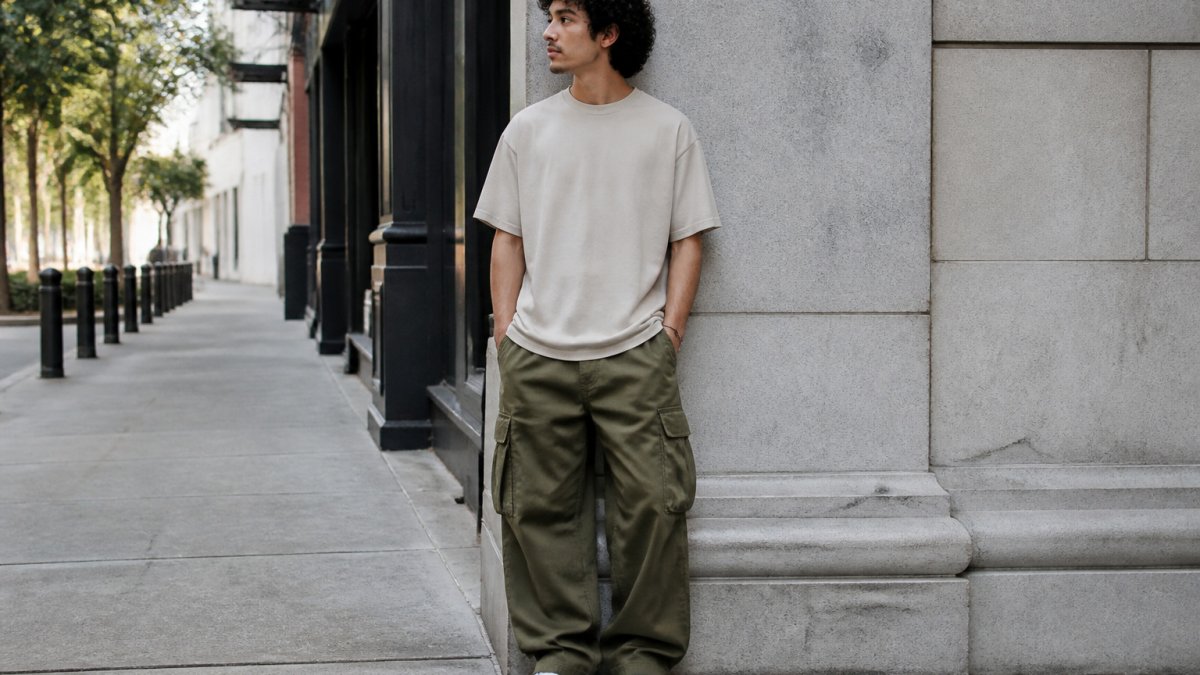
A common mistake is wearing too many statement pieces at once. Let one item carry the visual weight and keep everything else neutral.
Caring for Your Pieces So They Last
Rotate your pieces so no single item takes all the wear.
Frequently Asked Questions
What is the 3-3-3 rule for a wardrobe?
The 3-3-3 rule is a minimalist shortcut: pick three base colors, three bottoms and three tops to start, then build outfits from those nine pieces. For streetwear, the rule works well because the base pieces are simple tees, hoodies and trousers that mix freely. Add a pair of trainers and a layering jacket once the core nine feel consistent, and expand only when a specific gap appears in your routine.
What are the essentials for a streetwear wardrobe?
The essentials are a handful of plain and graphic tees, one or two hoodies or sweatshirts, a layering piece such as an overshirt or jacket, two pairs of trousers (cargos or straight-leg denim plus sweatpants), and one or two pairs of versatile trainers. Stick to neutral colors for the base pieces so graphic tees and statement items stand out without clashing. These pieces cover most everyday situations.
How do you build a streetwear wardrobe on a budget?
Start with the pieces you wear most, such as plain tees and one hoodie, rather than buying a full outfit at once. Shop second-hand for denim and outerwear, watch for seasonal sales, and spend more on items that see daily wear, like trainers and hoodies. Buy neutral colors first so each new piece combines with what you already own.
How many basics do you need for a versatile streetwear wardrobe?
A practical capsule of around 20 pieces covers most weeks: about six tops, including plain and graphic tees plus one hoodie; three bottoms; two layering pieces; two pairs of footwear; and a few accessories. Because every piece shares a neutral palette, these items combine into more than 30 distinct outfits. Expand the number only when your routine demands it.
How can beginners start dressing in streetwear?
Beginners should begin with fit rather than logos. Choose an oversized tee in a neutral color, pair it with straight or relaxed trousers, and add trainers you can walk in all day. Introduce one graphic piece at a time so the look stays balanced. Pay attention to proportions: if the top is loose, keep the bottoms slimmer, and the reverse works too.
Building a streetwear wardrobe from scratch is easier when every piece earns its place. Start with the essentials, choose fits that suit your body, and add personality one piece at a time. Explore our full collection at Hippy Mood Merch and choose your mood.
