


Last Updated: October 26, 2026
Quick Summary
Premium streetwear costs more because heavier fabrics, reinforced construction, original artwork, and small production runs raise unit cost, and keystone markups turn every extra production dollar into roughly four retail dollars. A premium hoodie costing $35 to make lands near $140 retail before any brand premium is added.
- A $1,500 screen-print setup is $7.50 per piece at 200 units but $0.08 at 20,000.
- Most apparel moves from unit cost to wholesale at roughly 2x, then to retail at roughly 2x again.
- A hoodie listed at 10 oz./yd.² or higher is genuinely heavy; a 5 oz. tee is summer weight.
- Divide price by the number of times you'll realistically wear a piece to get cost-per-wear.
- Red flags include undisclosed fabric weight, heat-transfer prints above $80, and plastic zippers.
Table of Contents
- What Premium Streetwear Actually Means
- Why Streetwear Costs More: A Transparent Garment-Cost Breakdown
- Streetwear Materials and Construction: What You're Paying For
- How to Identify Quality Streetwear Before You Buy
- Premium Streetwear vs. Cheap Streetwear: The Real Differences
- Is Expensive Streetwear Worth It? Price Versus Cost-Per-Wear
- Small-Batch Production, Design Risk, and Brand Value
- Choosing Pieces That Earn Their Price Tag
- Frequently Asked Questions
What Premium Streetwear Actually Means
Premium streetwear is apparel built with heavier fabrics, reinforced construction, original artwork, and small production runs, then sold at a price that reflects those choices.
The difference shows up in three places: the mill that wove the fabric, the factory that sewed it, and the designer who drew the graphic. Fast fashion compresses all three. Premium brands slow them down.
Below, we'll break down exactly where your money goes on a premium garment, how to spot quality before checkout, and how to calculate whether a piece earns its price over years of wear.
Why Streetwear Costs More: A Transparent Garment-Cost Breakdown
Most brands hide their math. Here's the general shape of it, based on how apparel manufacturing typically works. A garment's unit cost is the total to produce one piece: fabric, cutting, sewing, printing, trims, and packaging. Retail price is unit cost multiplied by a markup that covers design, marketing, shipping, returns, and margin.
Where the Money Goes: Unit Cost vs. Retail Price
Heavier fabric costs more per yard, and a garment uses more of it. A 7.8 oz./yd.² cotton-elastane fleece hoodie consumes noticeably more material than a thin 5 oz. blend, and that weight difference compounds through every step: cutting, sewing, and shipping.
Then come the fixed costs. A small-batch run of 200 pieces spreads design work, screen setup, and sampling across 200 units. A run of 20,000 spreads the same costs across 20,000. That single fact explains more of the price gap than any brand story.
To make that concrete, walk through a typical premium hoodie at a small independent label. The numbers below are illustrative ranges, not quotes from any one factory, but they reflect how the line items usually stack up:
| Cost Component | Fast Fashion (20,000+ units) | Premium Small-Batch (200-500 units) |
|---|---|---|
| Fabric (per garment) | $3-$6 | $9-$16 |
| Cut-and-sew labor | $2-$4 | $6-$12 |
| Screen setup and printing | $1-$2 | $4-$9 |
| Sampling and pattern development (amortized) | $0.10-$0.50 | $2-$6 |
| Trims, labels, packaging | $0.50-$1.50 | $2-$4 |
| Freight and duties (amortized) | $0.50-$1.50 | $1-$3 |
| Approximate unit cost | $7-$16 | $24-$50 |
| Wholesale price (typically 2x unit cost) | $14-$32 | $48-$100 |
| Suggested retail (typically 2x wholesale) | $28-$64 | $96-$200 |
Two mechanisms drive the gap. First, fixed costs per unit: a $1,500 screen-print setup is $7.50 per piece at 200 units and $0.08 per piece at 20,000. Second, the keystone markup convention, most apparel moves from unit cost to wholesale at roughly 2x, then wholesale to retail at roughly 2x again.
A high price tag alone proves nothing. Some brands charge premium rates for mid-grade blanks and call it luxury. Ask whether the brand publishes fabric weight, fiber content, and factory information, or at minimum, whether the garment's hand-feel and construction match the price tier. The breakdown above is what separates a justified premium from a marked-up blank.
The Line Items Competitors Skip
Three costs rarely appear in brand marketing but show up in every premium price:
- Sampling and fit development. A single prototype can run several hundred dollars once pattern-making, fabric sourcing, and a sample sew are included. A brand that iterates through three or four samples before production absorbs that cost across its first run.
- Freight and duties. Imported fabric and finished goods carry freight, customs brokerage, and duties. Small brands ship less-than-container loads, which cost more per unit than full containers.
- Returns and markdowns. Small-batch brands often cannot absorb unsold inventory the way mass retailers can, so they price in a cushion for slow sellers.
Why the Same Hoodie Can Cost $60 or $160
Two hoodies can look identical in a photo and carry very different unit costs. The difference usually comes down to four levers: fabric weight and fiber (a 14 oz. fleece versus a 7 oz. blend), construction time (double-needle seams and reinforced stress points add sewing minutes), decoration method (screen print versus heat transfer), and run size. Change all four and you can move unit cost by a factor of three or more, which, after keystone markups, becomes a factor of three or more at retail.
That is the honest answer to why premium streetwear costs more: it is not one line item but the compounding of heavier inputs, smaller runs, and the markup math that turns every production dollar into several retail dollars.
Streetwear Materials and Construction: What You're Paying For
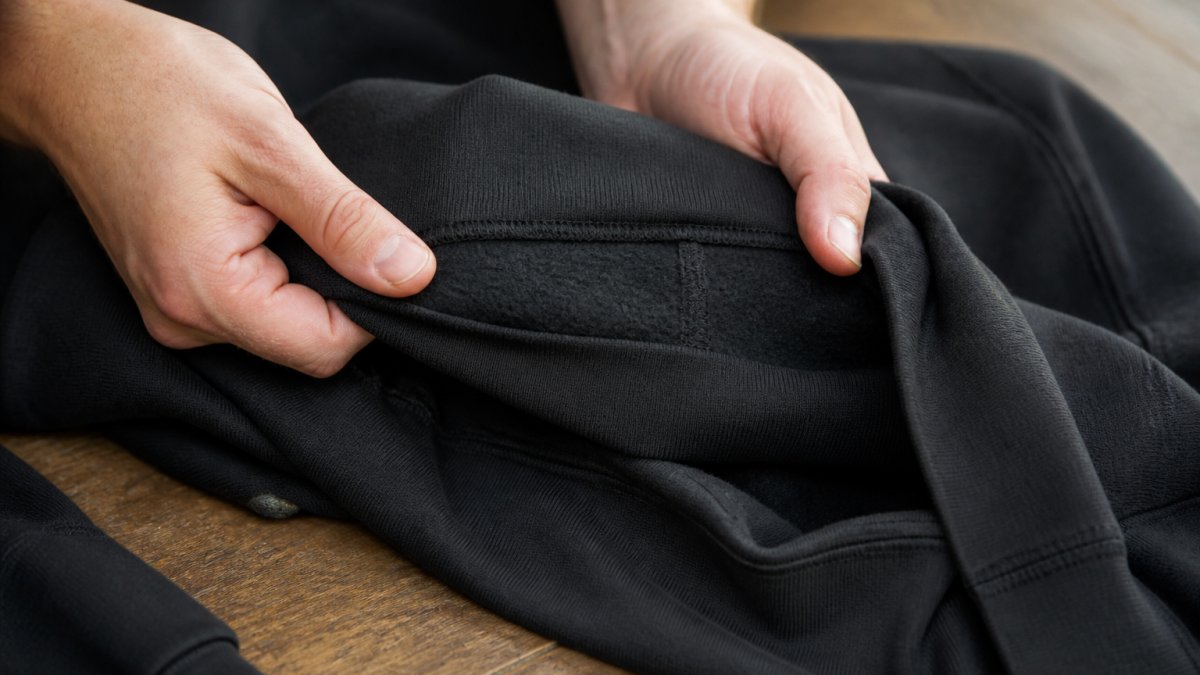
Fabric quality is the first thing to check and the easiest to fake in photos. Look at the weight spec, not the marketing copy. A hoodie listed at 10 oz./yd.² or higher is genuinely heavy; a 5 oz. tee is a summer weight.
Fabric Weight, Stitching, and Hardware
Cotton, wool, and synthetic blends each behave differently. Ring-spun cotton feels softer and pills less than open-end cotton. Recycled polyester fleece adds durability and warmth at a lower cost than pure wool.
Construction matters just as much. Double-needle stitching at stress points, ribbed cuffs that hold their shape, and metal hardware instead of plastic all extend a garment's life. Our Premium Gas Drip Tee is built to show what that spec sheet looks like in practice.
How to Identify Quality Streetwear Before You Buy
Quality streetwear shows up in the details you can check in under a minute. Turn the garment inside out. Run a thumb along the seam. Read the fabric content tag. The goal is not to memorize a list but to learn what each check tells you about how the garment will age.
The Five-Minute In-Store Inspection
Work through these checks in order. Each one answers a different question about durability.
**1.
2. Seams and stitching. Turn the garment inside out. Tight, even stitches with no loose threads suggest a well-maintained machine and trained operator.
3. Hardware and trims. Metal zippers, metal eyelets, and metal aglets outlast painted plastic, which chips and cracks.
High Class Stoner All-Over Print Hoodie →
**4.
5. Care label and size chart. The care instructions should match the fabric claimed.
Photograph the inside of the garment and the care label before purchase if you are shopping online and the brand publishes those images. A brand confident in its construction usually shows seam close-ups and fabric weight specs; a brand that hides them is telling you something.
How to Weigh the Checks Against Each Other
No garment passes every check perfectly at every price. Use a simple hierarchy: fabric weight and fiber first (they set the ceiling on durability), seams second (they determine whether the fabric holds together), hardware and prints third (they are replaceable or cosmetic), and care labels last (they are informational). A heavyweight garment with single-stitched seams is a worse bet than a midweight garment with reinforced seams, because the seam failure retires the piece early.
Red Flags That Undo a Premium Price
- Fabric weight or fiber content not disclosed anywhere on the product page or tag
- "Premium" or "luxury" used as the only quality descriptor
- Heat-transfer prints on a garment priced above $80
- Plastic zippers or painted hardware on outerwear
- No size chart beyond S/M/L
- Reviews that mention pilling, shrinking, or seam failure within the first few washes
For a deeper walkthrough, our guide on how to spot quality streetwear covers what to look for in person.
Premium Streetwear vs. Cheap Streetwear: The Real Differences
The gap between premium streetwear and cheap streetwear comes down to longevity and how the piece ages. Cheap garments often look fine on day one. The difference appears after ten washes.
Fast fashion relies on thin fabric, single-stitched seams, and heat-transfer prints that crack. Premium pieces use heavier material, reinforced seams, and prints that survive repeated washing. That's why a cheap hoodie tends to lose shape while a well-made one softens without collapsing.
If you're weighing durability against price, our buyer's guide to durable streetwear walks through the trade-offs before you commit.
Is Expensive Streetwear Worth It? Price Versus Cost-Per-Wear
Expensive streetwear is worth it when the cost-per-wear drops below the cheap alternative. Divide the price by the number of times you'll realistically wear it.
A $70 hoodie worn twice a week for three years works out to well under a dollar per wear. A $25 hoodie that pills after two months and gets retired costs more per wear despite the lower sticker price. That math is the whole argument.
The catch: cost-per-wear only favors premium if the garment actually lasts. Verify construction first, then run the numbers.
Small-Batch Production, Design Risk, and Brand Value
Small-batch production means a brand commits to a design before knowing if it sells. That risk is real and it's priced in.
Brand identity and perceived value add another layer. A label with a distinct point of view, like a dispensary-born lifestyle brand, sells belonging as much as fabric. Some of that premium is hype; some is genuine design investment.
Our PURPLE PACK ROYALE oversized hoodie is an example of the small-batch, design-driven approach: limited artwork, relaxed fit, built for people who want a statement piece.

Choosing Pieces That Earn Their Price Tag
A piece earns its price when the fabric, construction, and design all justify the number on the tag. Start with the spec sheet, verify the seams, then calculate cost-per-wear against your actual habits.
Ready to shop with that checklist in hand? See where to buy high quality streetwear and compare specs before you spend.
Frequently Asked Questions
Why does premium streetwear cost more than regular streetwear?
Higher fabric weight, stronger stitching, original artwork, and small production runs all push the unit cost up. A heavyweight fleece hoodie can use noticeably more cotton than a thin fast-fashion version, and limited runs mean the brand cannot spread development costs across tens of thousands of units. Add design work, sampling, and shipping, and a $69.99 hoodie can carry a much higher true cost than a $25 one. You are paying for materials, labor, and the risk of making something original.
How can I tell if streetwear is good quality before ordering online?
Check the listed fabric weight in oz./yd. or g/m², the fiber blend, and the construction details. A hoodie around 7.8 oz./yd. (265 g/m²) or a sweatpant at 10 oz./yd. (339 g/m²) signals a heavier, more durable garment. Look for double-layer hoods, self-fabric cuffs, and reinforced seams. Read the material percentages, not just the marketing copy, and check the return policy so you can verify the feel and fit before committing long term.
Is expensive streetwear actually worth the price?
It depends on cost-per-wear. A $69.99 hoodie worn twice a week for two years costs far less per wear than a $25 hoodie that fades or pills after a few months. Premium pieces win when the fabric holds its shape, the print survives washing, and the fit stays consistent. If you wear a piece often and want it to last, the higher upfront price usually pays off. If it is a one-off costume, cheaper may be enough.
What is the difference between premium streetwear and luxury fashion?
Premium streetwear focuses on fabric quality, construction, and original design at a price most people can reach. Luxury fashion adds heritage branding, exclusivity, and much higher markups tied to name recognition. A premium hoodie might cost $54 to $69.99 and deliver heavy cotton and durable stitching. Luxury versions of similar garments can cost several times more because of brand premium, not necessarily better materials. Premium is about the garment; luxury is about the label.
The real test of premium streetwear isn't the price tag, it's whether the garment still looks right after a year of wear. At Hippy Mood Merch, we build pieces around heavyweight fabrics, original artwork, and small-batch runs, trusted since 2018. Our hoodies and sweats carry real fabric weights and construction specs, so you can check the details before you buy. Get started with Hippy Mood Merch and choose pieces that hold up, wash after wash.
